FREE basic specification and sourcing-requirements review
Eligible first orders may receive up to 3%
Eligibility applies to qualified business buyers and is confirmed after we review your product, quantity, destination, and sourcing requirements. Final savings depend on supplier confirmation, product type and order value.
RFQ Checklist
frame plate rubber vulcanizing press suppliers
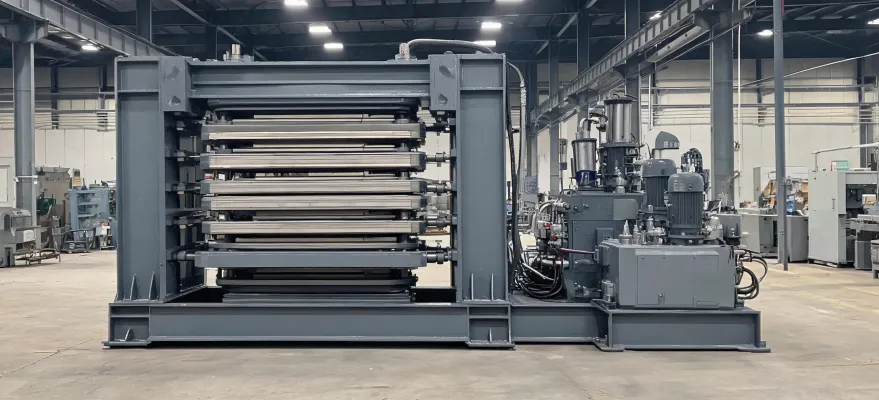
Resolve the frame versus column access decision, the cure-step list and the acceptance sample before selecting frame plate rubber vulcanizing press suppliers. This page is a procurement decision dossier, not an environmental statement. Rubber Vulcanizing Press Sourcing is an independent sourcing partner. Jaw type rubber vulcanizing press wording is a clarification request: send a drawing or supplier model description; this site does not treat that phrase as a verified offered machine configuration.
Decision topic: Acceptance basis
Decision dossier
Acceptance basis
Acceptance basis: Equipment scope
A frame plate rubber vulcanizing press suppliers quote must restate frame opening, platen size in mm, daylight in mm, heating method and how the mold enters the frame. Compare that access path with a column layout if both names appear in replies. Ask what drawing or supplier model description defines any requested jaw type rubber vulcanizing press; treat the name as undefined until geometry is shown.
Price exclusions
Molds, vacuum, cooling, freight, installation, training, commissioning, SAT travel and spare parts remain extra until listed. Machine price is not installed project cost. No percentage saving is published. Optional budget (currency, per-unit or whole-order) is a buyer note, not a factory rating.
Response basis
Acceptance should document the supplied configuration and a repeatable approved sample cycle on the buyer compound. Include temperature, dwell and venting steps from the rubber cure schedule, plus platen uniformity and pressure holding with the actual mold. A controller printout without the loaded tool is incomplete.
Remaining inputs: three-phase supply, connected load in kW, cooling water, extraction, PLC interface, quantity, destination, FAT witness and supplier preference (premium, mid-range, budget-friendly, or not sure).
Trade-offs to record before selecting a supplier: a closed frame can improve stiffness for a wide pad mold while reducing side access; columns can ease mold loading while changing deflection behavior. Neither layout is “better” without the buyer mold. Single-press acceptance is not line acceptance unless mill and punch interfaces are in the same contract. Nominal ram speed is not validated output. Conflicting force units (tons versus bar without ram area) stop the comparison until restated. Read mold and cycle specification and press versus process development before signing a configuration.
Limitations this dossier will not hide: this service does not guarantee a cure result, CE or UL coverage for a whole cell, or that a frame-plate name matches every factory’s drawing. Cooling, vacuum, mold handling and automatic cycle control are included only when the supplier lists them. For a production belt, tire or specialized rubber process outside pads and general molded goods, require application-specific equipment evidence rather than relying on a laboratory-press example. Positioning tolerance of the mold is a tool-and-press joint fact, not a website claim.